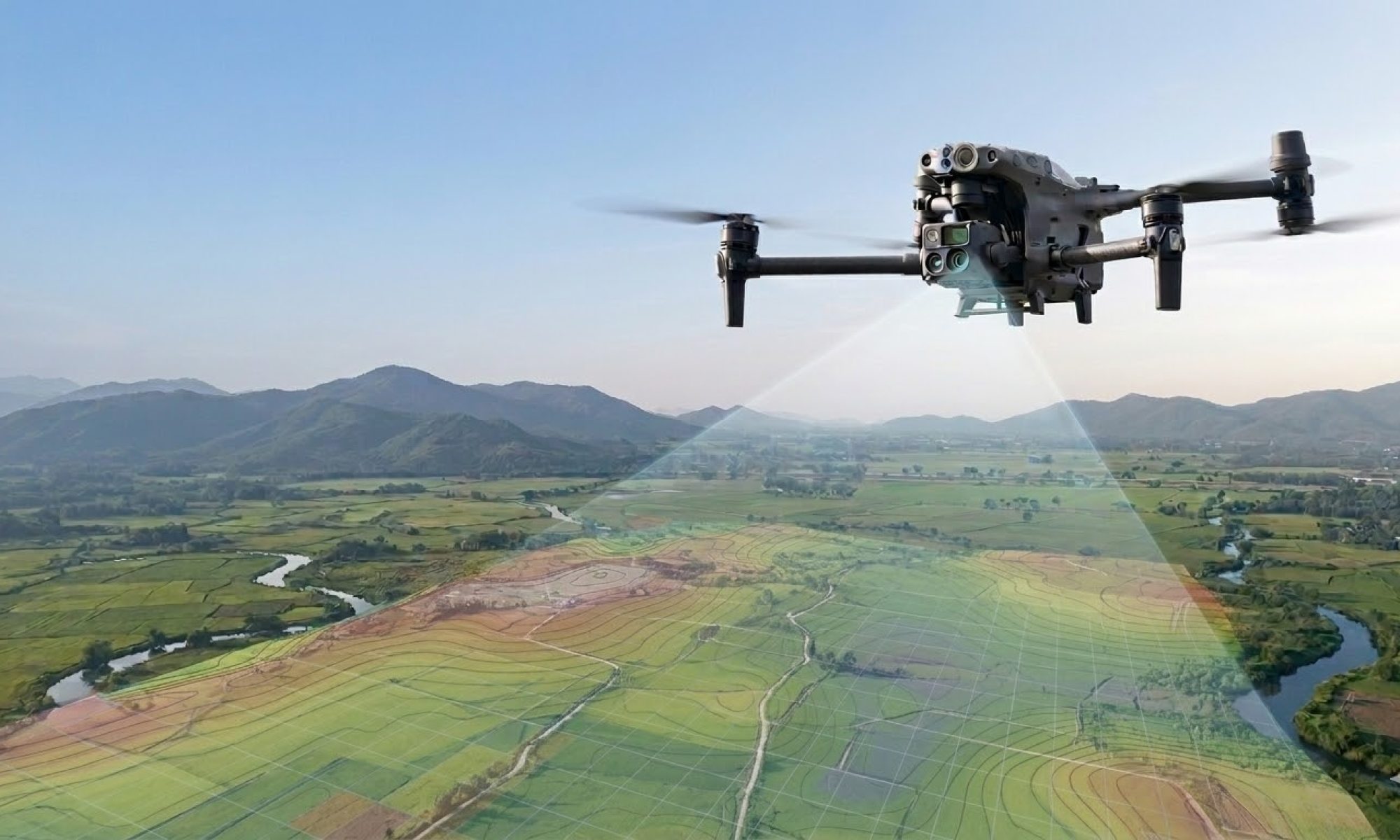
Why a drone on-site is more than just a ‘flying camera’
In the Belgian construction and industrial sectors, drones are often cited as the ‘future’. At Droneview.be, we see that the future is already here. A recent analysis by Metamedia stated that industrial drones can reduce inspection costs by 50%. In our experience, that figure is actually quite conservative.
Anyone who thinks a drone is only for nice overview photos is missing the bigger picture. It’s not about the flight; it’s about the actionable data and the massive safety gains.
1. 50% savings? In practice, often much more
Take a concrete example: inspecting a membrane on a 70-meter high silo (see photo).
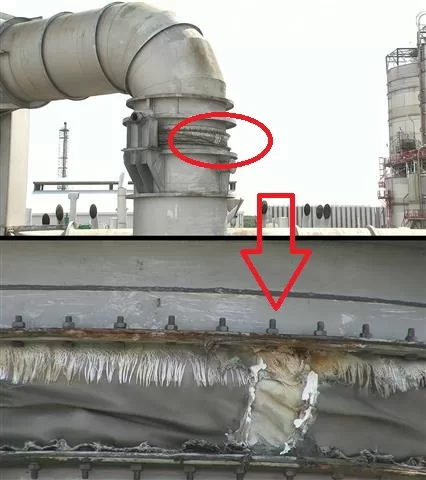
For a technician, this is a complex, high-risk full-day task requiring scaffolding or cherry pickers.
With our drones, we can inspect dozens of silos in just a few hours, before a technician even leaves the ground. Our reports allow technicians to work efficiently, knowing exactly which part on which silo needs replacing. No wasted hours, no unnecessary risks. In this scenario, a 50% cost saving is an understatement.
2. CM-precise mapping: Data ready for immediate use
The true strength of Droneview.be lies in converting raw imagery into actionable intelligence. We use RTK (Real-Time Kinematic) drones paired with an RTK-3 base station. This allows us to collect geodata with centimeter-level precision.
Where surveyors used to spend days on-site, we now generate a full digital twin in a fraction of the time.
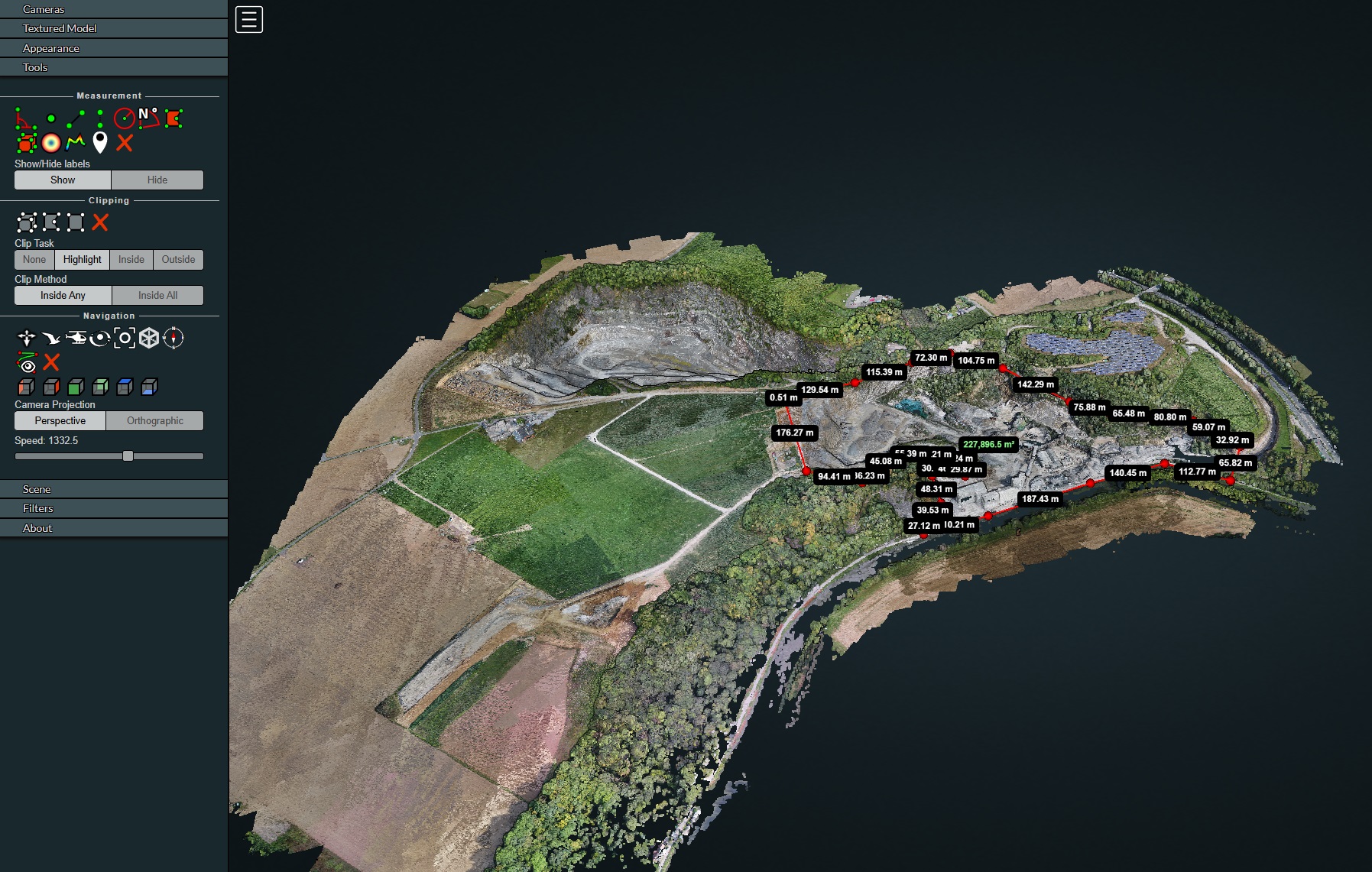
The biggest advantage for our clients? Accessibility. Engineers and architects don’t need to invest in expensive software. We deliver data via a cloud environment (point cloud or orthomosaic), meaning they can perform volume measurements or ‘as-built’ comparisons directly in their browser.
3. The Belgian Maze: Legislation and No-Fly Zones
Belgian airspace is among the most complex in Europe. For a beginner, it is a bureaucratic maze. Flying near ports, city centers, or airports (CTR zones) requires specific permits from Skeyes and the BCAA.
At Droneview.be, we manage this daily. We handle SORA risk assessments and specific complex procedures. We ensure the drone is airborne legally and insured, so the site manager can focus on the construction itself.
4. The ‘In-House Drone’ Trap
We often see companies initially deciding to buy their own drone. The thought is logical: “We can do it ourselves.” But the reality is challenging.
The initial investment is just the beginning. Additional costs include:
-
Certification: Pilots must complete the required training (A1-A3, A2, or Specific).
-
Insurance: Standard liability usually doesn’t cover aviation incidents.
-
Software & Updates: Photogrammetry licenses cost thousands per year.
-
Maintenance & Regulation: Legislation changes constantly.
Our client found that the “red tape” didn’t outweigh the benefits. Now, they send us an email and receive a professional report a few days later.
5. A New Perspective on Site Management
While Augmented Reality (AR) sounds futuristic, we apply its essence today.
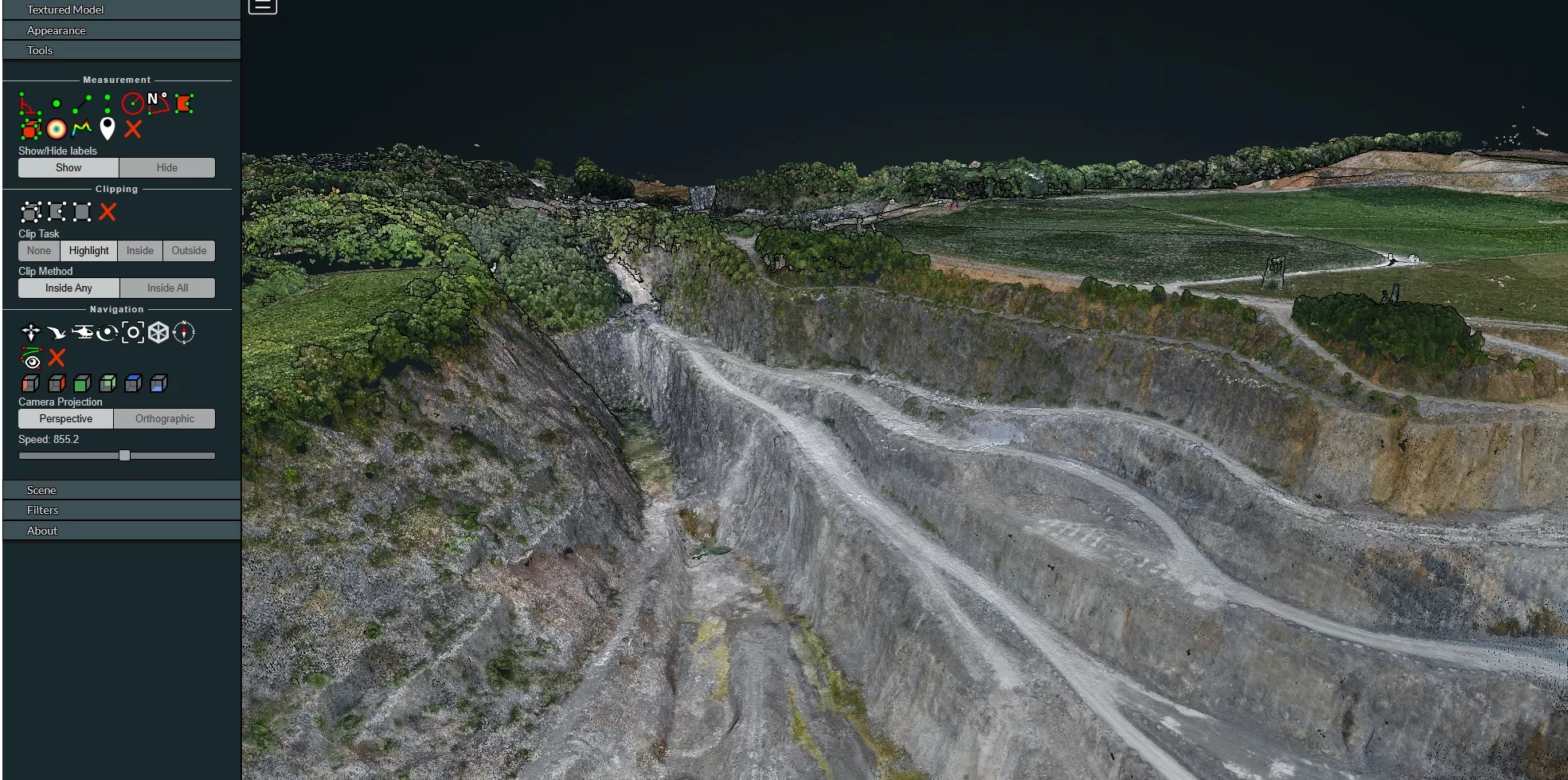
By opening our 3D models on a large screen in the site office, the entire team gets an immediate overview. It becomes a vital visual communication tool: locations are marked precisely, and logistical flows are optimized. This prevents costly errors and speeds up onboarding on-site.
Experience the efficiency of drone inspections yourself?
Do you have a project where safety, speed, and precise data make the difference? Stop guessing and start measuring.