Solar Panel Defect Detection: Thermal Drone Inspection in Belgium
Experiencing yield loss, unexplained string errors, or storm damage? Droneview.be detects hidden defects in your solar panels quickly, safely, and with extreme precision.
Whether it’s a residential roof, an industrial installation, or a large-scale solar park: hotspots, micro-cracks, and defective bypass diodes are invisible to the naked eye. With a thermal drone inspection, we map the exact cause of your yield loss — without expensive scaffolding, without downtime, and without physical contact with your panels.
Our inspections are performed by an EASA-certified pilot (Open A1/A3, A2 & Pro categories) using high-end radiometric equipment, fully compliant with the international IEC 62446-3 standard for thermal inspection of PV systems. Upon completion, you will receive an official inspection report that is directly usable for your installer, asset manager, or insurer. We operate throughout Flanders, Brussels, and Wallonia.
Industrial Inspection, Thermal Mapping & Digital Twin
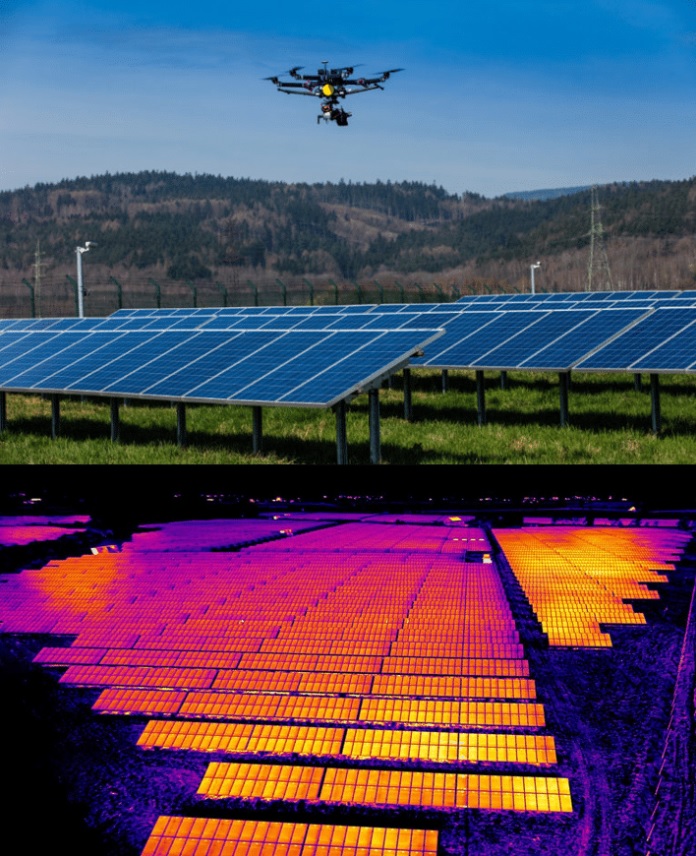
Managing a large-scale solar park or industrial rooftop? Our thermal mapping workflow provides an integral radiometric overview of thousands of panels simultaneously. Through advanced photogrammetry, we create a Digital Twin of your installation, allowing every defect to be exactly geographically localized. We handle all necessary flight permits (Skeyes/BCAA) and deliver data that integrates seamlessly into your asset management system.
When is a solar panel inspection necessary?
Hidden defects can go unnoticed for months, lowering your ROI and increasing fire risks. A thermal scan is essential for:
1. Unexplained yield loss
Is your output lower than predicted? A thermal scan instantly reveals defective cells or string errors that inverter apps cannot localize in detail.
2. After storms, hail, or extreme weather
Micro-cracks are invisible but lead to hotspots over time. An inspection shortly after a damage event is crucial for a strong insurance claim.
3. Commissioning and warranty claims
Damage during transport or installation happens more often than thought. With an as-built inspection according to IEC 62446-3, you record the initial state and stand strong in warranty claims against manufacturers or installers.
4. Periodic maintenance (Prevention)
Prevent fire hazards caused by poor contacts or overheating. We recommend a check every 3 to 5 years for residential owners, and annually for commercial sites.
Our Method: High-tech Drone Inspection & Analysis
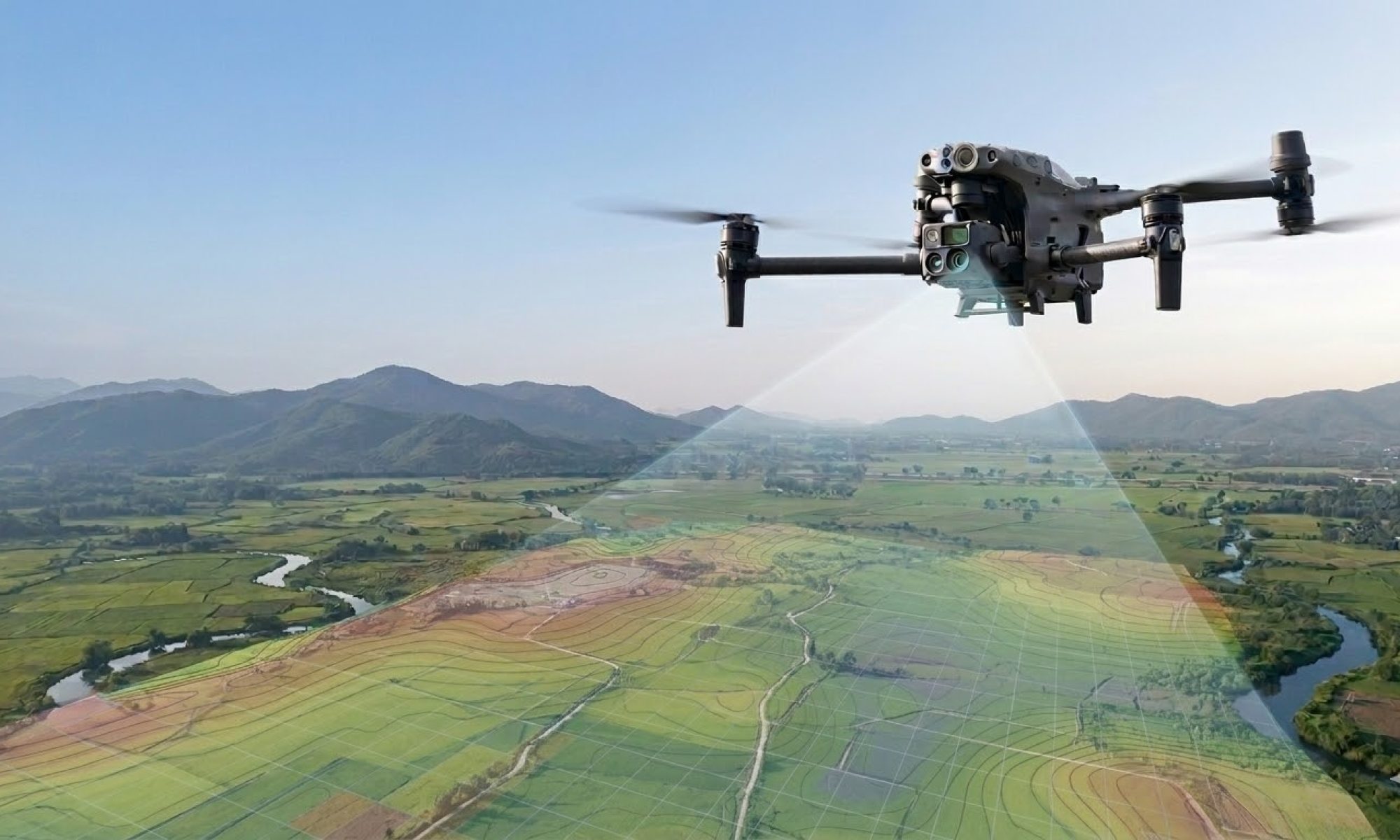
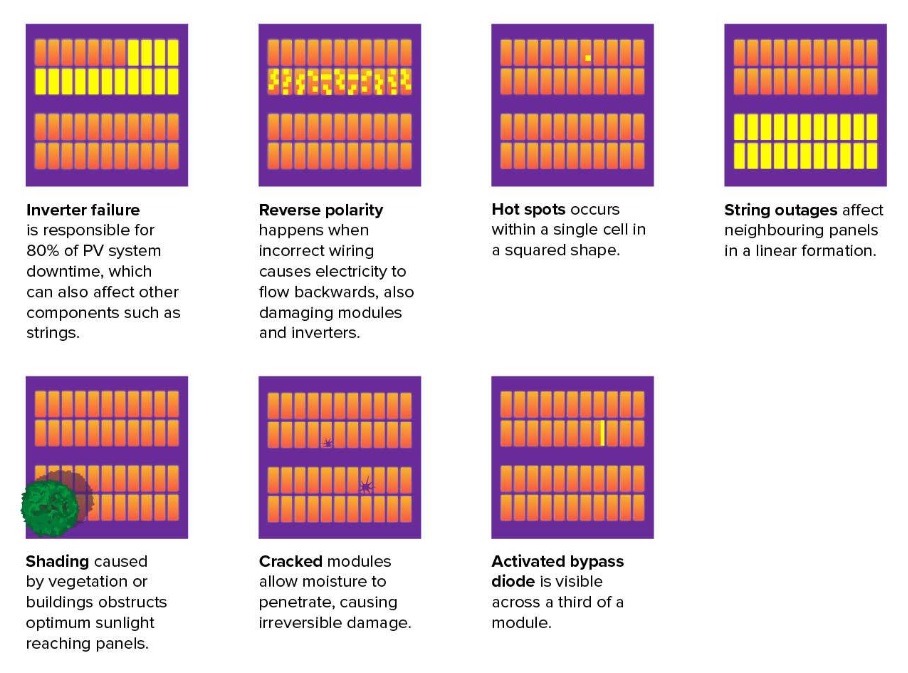
During the flight, our DJI M30T drone scans the installation systematically using a cross-hatch flight plan (measurements from multiple angles). The radiometric thermal camera measures the temperature of every pixel. Defects manifest as ‘hotspots’ (overheating) and are analyzed using the DJI Thermal Analysis Tool.
We categorize every defect based on the temperature delta (ΔT) in accordance with international standards. Thanks to the powerful 200x zoom camera, we also document visual damage, such as glass breakage or heavy soiling, in detail without stepping onto the roof.
Unique Total Diagnosis: Ground Measurements
Droneview.be goes further where others stop. In case of ambiguous results, we perform an in-depth diagnosis at the inverter to provide 100% conclusive advice:
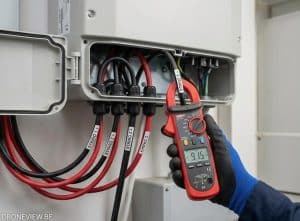
- Inductive string measurement: We measure the current flow (Amperes) per circuit to definitively rule out interruptions or cable breaks.
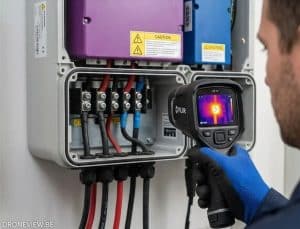
- Thermal hand scan: We check the inverter, connection points, and fuses for hotspots. This is essential for the fire safety of your building.
Case Study: Hotspot detection
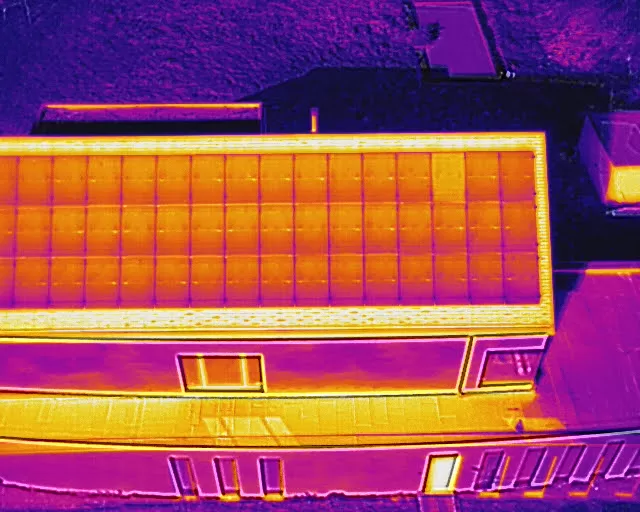
The image below shows a defective panel that is significantly warmer than the rest. This energy is converted into heat instead of electricity, leading to a 15% yield loss on this string.
Frequently Asked Questions about Solar Inspection
- How much does a drone solar inspection cost in Belgium? The price depends on the size (kWp) and location. For average residential roofs, this is very affordable. Request your quote here.
- When is the best time for a scan? Preferably on sunny days with an irradiance of at least 600W/m² for the most reliable thermal results, as per IEC standards.
- Do I receive an official report? Yes, you receive a detailed report with radiometric imagery, classified errors (ΔT) according to IEC 62446-3, and concrete technical advice.
- Do you work for residential owners? Absolutely. We inspect everything from small residential roofs to vast solar parks across Belgium.
- What is the added value of the IEC 62446-3 standard? This international standard ensures the inspection is performed under the correct climatic conditions and that the reporting is recognized by manufacturers for warranty claims.
Stop energy loss. Start the yield check.
Protect your investment and ensure safety. Droneview.be is your expert for solar panel inspections across Belgium.