Insulation Control & Water Infiltration Detection with Drones
Prevent energy loss and structural damage by detecting hidden defects in your building envelope quickly, safely, and with extreme precision.
In an era where energy efficiency and sustainability are paramount, the quality of your insulation and the integrity of your roof are invaluable assets. At Droneview.be, we provide high-end thermal inspections to accurately detect heat loss and moisture issues. This is not only crucial for your comfort and energy bills but also serves as powerful evidence for EPC assessments and renovation planning.
With a thermal drone inspection, we map the exact cause of heat loss or leaks — without expensive scaffolding, without the risk of roof damage, and with a comprehensive radiometric report as the final result.
Professional Leak Detection & Thermal Building Imaging
Are you dealing with an unexplained damp spot or do you want to validate the insulation quality of a large industrial building? Our DJI M30T drone captures temperature differences invisible to the naked eye. We handle all necessary flight permits and deliver detailed data for architects, property managers, and homeowners. We operate throughout Belgium.
When is a thermal inspection necessary?
Hidden insulation defects or small roof leaks can lead to high costs and structural damage over time. A scan is essential for:
1. Identifying heat loss and thermal bridges
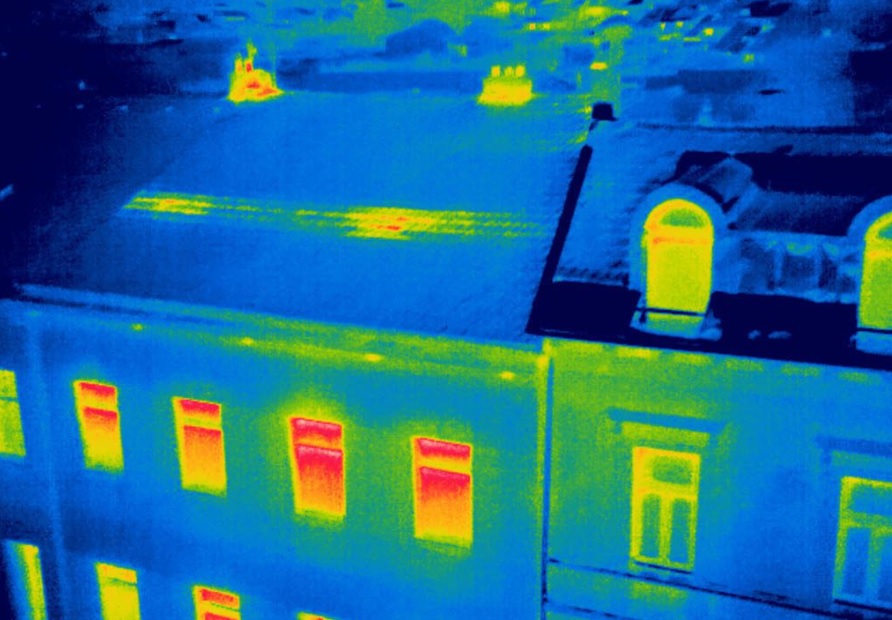
We pinpoint exactly where your property is losing heat through roofs, walls, windows, or connections. This helps you insulate specifically where the return on investment is highest.
2. Detecting water infiltration on flat roofs
Water trapped under roofing material retains heat longer than dry materials. By utilizing thermal inertia, we locate leaks that are not yet visible to the naked eye.
3. Validation for renovations or EPC certification
Optimize your home’s insulation to achieve a better energy rating or verify that insulation work performed by a contractor has been executed correctly and without interruptions.
Our Technology: Radiometric Aerial Thermography
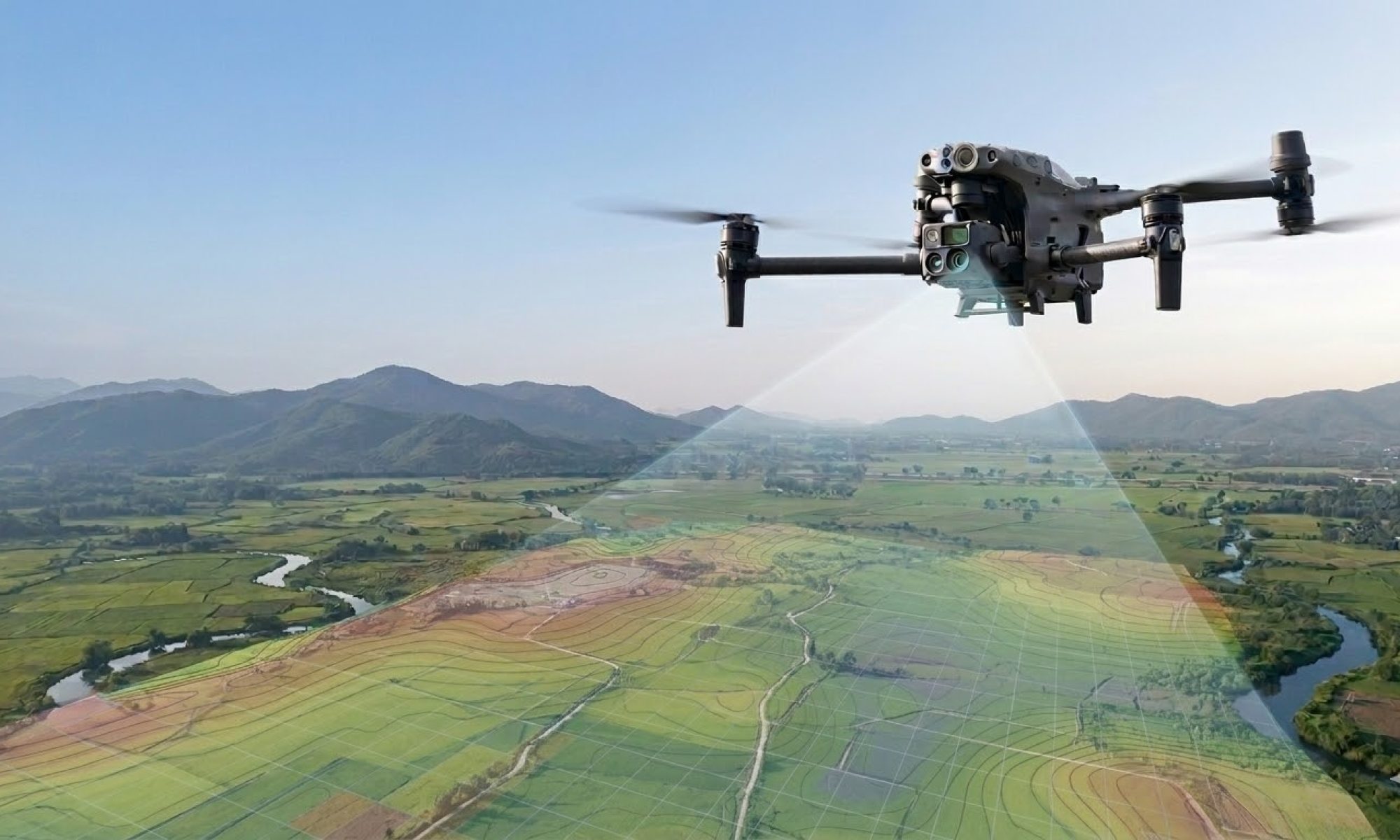
Droneview.be utilizes the DJI Matrice 30T. This drone is equipped with a radiometric thermal camera that precisely measures the temperature of every single pixel.
Unlike basic thermal cameras, this technology allows us to:
- Perform ΔT (Delta T) analyses: we determine the exact temperature difference between various zones.
- Conduct high-zoom inspections: view visual damage to gutters or facades in detail without stepping onto the roof.
- Safely inspect hard-to-reach areas at great heights or on complex industrial rooftops.
Total Diagnosis: Aerial & Handheld Thermography
Droneview.be offers a unique 360° approach. In addition to the drone flight, we perform a detailed ground-level check:
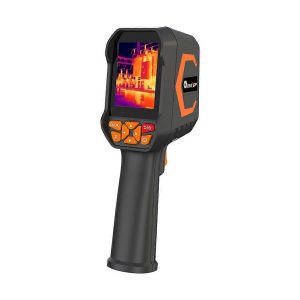
- Handheld thermal scan: We check for thermal bridges around windows, doors, and corner connections from the inside.
- Double verification: By crossing imagery of the roof (outside) with captures of the ceiling (inside), we locate leaks and moisture problems with much higher reliability.
Frequently Asked Questions about Insulation & Leak Detection
- What are the requirements for a good insulation scan? A temperature difference of at least 10 degrees Celsius between indoors and outdoors is required. This means the heating must be active on a cold day.
- Can a drone find leaks on any roof? Thermography works exceptionally well on flat roofs with roofing or gravel. Solar heat during the day and cooling in the evening make moist areas under the surface visible.
- Will I receive a report for my insurance? Yes, you will receive a detailed inspection report featuring both visual and thermal imagery, including our analysis and conclusions.
- Is a drone inspection safe for my roof? Absolutely. Unlike manual inspections, we often don’t even need to step on the roof, completely removing the risk of additional damage to fragile roofing materials.
Stop energy loss. Identify hidden leaks.
Protect your building and save on your energy bills. Droneview.be is your expert for technical thermography throughout Belgium.